In many areas, not only is space demand increasing, but its nature is also changing. There is a need for direction: what is important? How do we organise and distribute space?
Landscape, city and building
As spatial designers, we base our approach on requested functionalities and systems that connect city and landscape. Our contributions to landscapes, cities and buildings shape present and future living environments.
Energy
The energy transition is one of the most radical and complex challenges facing society in the 21st century.
Water
The water system is under pressure. Periods of increasing drought and heavy rainfall have a massive impact on the water system. We approach these challenges with a focus on solutions, thereby contributing to the water systems of the future.
Industry
The transition to a sustainable, more circular economy is crucial for successful business operations.
Nature and environment
Housing, work, mobility, energy and recreation all make demands on often scarce space and impact our living environment. In both urban and rural areas.
Deltas
Sea level rise, climate change, biodiversity improvement, energy transition and nature restoration are topical issues in delta regions.
Maritime
Maritime infrastructure is indispensable for global trade and increasingly important to allow for the reduction of carbon emissions per tonne-kilometre.
Infrastructure
Reliable infrastructure is an important prerequisite for the social and economic development of our society.
Mobility
The way we look at mobility from a social and technical perspective has changed. Today's mobility solutions are all about accessibility, health, CO2 emission reduction and quality of the living environment.
Digital solutions
At Witteveen+Bos, we work on developing innovative solutions every day. Find out here which digital services can help you.
As an engineering firm, we are at the heart of society. Together with our stakeholders, we work to create a better living environment for everyone.
What we do
We advise and help our clients to make the right choices. Executing projects on water, infrastructure, environment and construction is our core process.
Webinars
In our webinars, we talk to experts in various fields about the biggest challenges in water, infrastructure, environment and construction.
Courses
At Witteveen+Bos, our work is about knowledge. We share our knowledge and best practices on a regular basis through courses. Our courses can be followed at various locations in the Netherlands and Belgium. Interested? Please let us know!
Annual reports
To offer our stakeholders insight into our development in our projects, into our motives and into the people behind Witteveen+Bos, we publish annual reports.
Events
The overview on this page shows the events, fairs, seminars and other activities organised by Witteveen+Bos, or in which we cooperate or contribute.
How we work
Any assignment Witteveen+Bos works on requires a customised solution. However, there is a common theme in how we work. Read more about it on our website.
Company code and corporate processes
Our shared and individual responsibilities, principles and manner of doing business are outlined in our company code. All Witteveen+Bos employees worldwide must act in accordance with this code and the agreements arising from it.
Sustainable design principles
Witteveen+Bos assumes the responsibility of contributing as much as possible to combating climate change on projects and in its business operations. Our climate policy consists of three pillars.
Looking for a new challenge? If you work for us, you can help bring about a better human environment and at the same time fulfill your ambitions. Read more.
Discover your talents and put your knowledge to use during an internship or graduate program with us.
Internship
Are you looking for an internship on which you’ll learn a lot while being properly supervised? On which you can be part of multidisciplinary teams, learn while doing, and collaborate with experts? Then Witteveen+Bos is the place for you!
Graduation
Are you in the final phase of your studies and looking for an organisation that will challenge you to apply the knowledge and skills you’ve acquired on an interesting graduation project? Then Witteveen+Bos is the place for you!
Business courses and career events
Have you always wanted to know exactly what a consultancy and engineering firm does and what it’s like to work at Witteveen+Bos? Each year, we can be found at over 60 careers events at universities and universities of applied sciences.
Young professionals
Realise your ambitions and kickstart your career at Witteveen+Bos.
Your career development
At Witteveen+Bos, young professionals get lots of opportunities. Your development is central – from your very first working day. On projects, we’ll challenge and stimulate you with a variety of tasks.
Training opportunities
At Witteveen+Bos, you’ll develop yourself first of all by learning on the job. By being challenged on projects and applying and expanding your knowledge and skills on them, you’ll learn more – faster.
Our starter programme
At Witteveen+Bos, we offer young professionals with less than three years’ work experience a special training pathway: the Starters Programme. This internal training programme centres around the personal development of young professionals.
Employment conditions
Witteveen+Bos offers its employees a comprehensive package of employment conditions. A good work-life balance is a central consideration in these.
Experienced professionals
Make an impact and work on innovative, complex and international projects.
Development perspectives
Do you have several years of work experience that have provided you with a solid foundation? Witteveen+Bos invites you to further develop this firm base at our organisation.
Internal and external training courses
At Witteveen+Bos, you’ll develop yourself first of all by learning on the job. By being challenged on projects and applying and expanding your knowledge and skills on them, you’ll learn more – faster.
Employment conditions
Witteveen+Bos offers its employees a comprehensive package of employment conditions. A good work-life balance is a central consideration in these.
Our people
Over 1,700 professionals at Witteveen+Bos work daily on today's challenges and tomorrow's solutions. Our people are the driving force of the organization. Below are the stories of our passionate colleagues in which they tell more about their personal motives, their expertise and what makes working at Witteveen+Bos so unique.
Vacancies
Would you like to know what challenging vacancies we have to offer? Take a look at our vacancies.
Employment conditions
Witteveen+Bos offers its employees a comprehensive package of employment conditions. A good work-life balance is a central consideration in these.
Application process
Are you interested in learning how you can become part of Witteveen+Bos? We will tell you more about our application procedure and what you can expect from us.
TenneT reduces carbon emissions from construction sites: from source to specific reductions
TenneT reduces carbon emissions from construction sites: from source to specific reductions
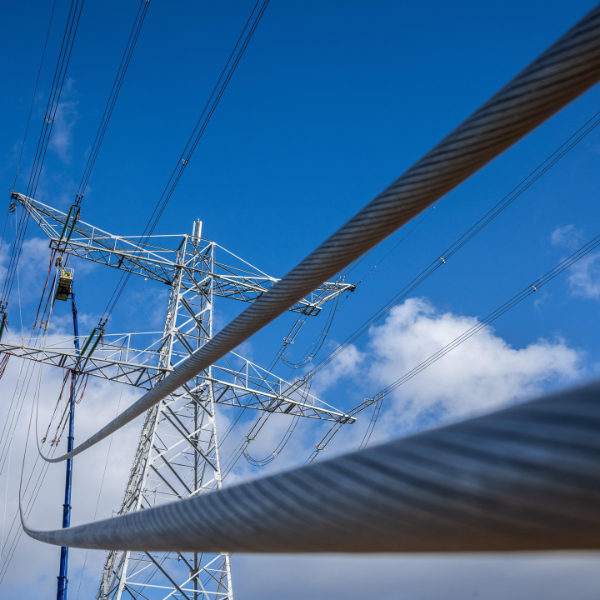
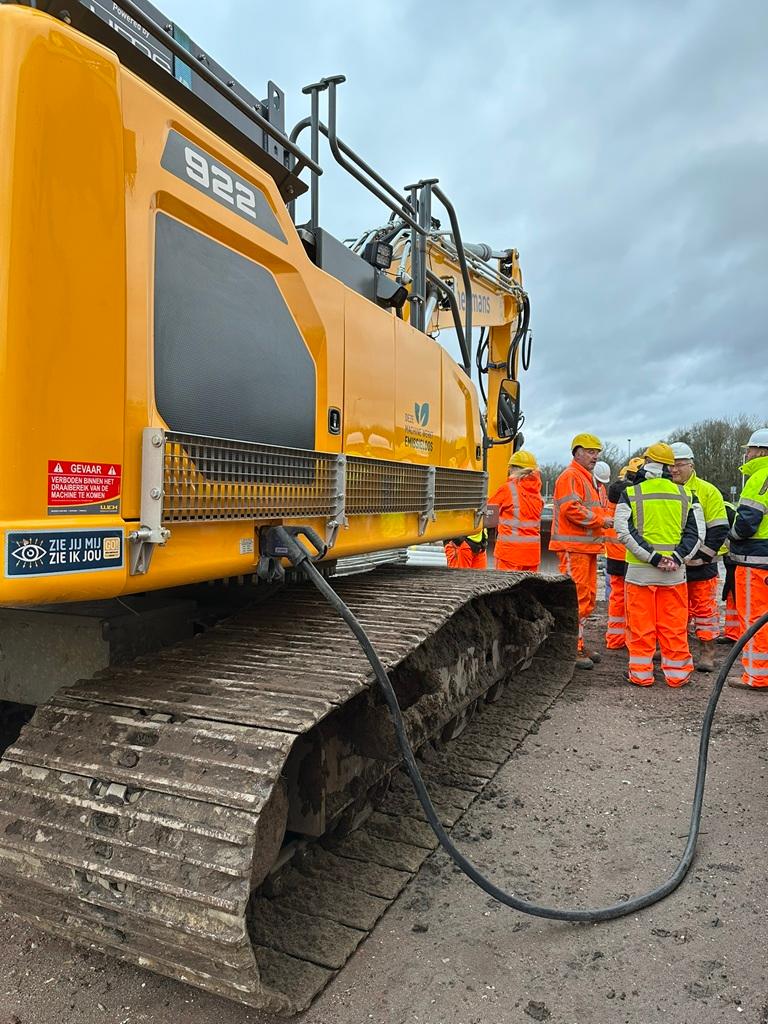
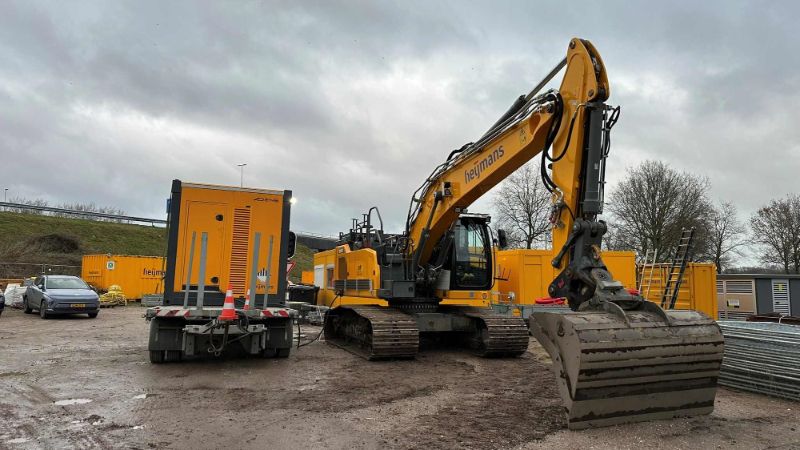
TenneT aims to drastically reduce emissions from its construction projects. By signing the Schoon en Emissieloos Bouwen covenant (Zero Emission Construction Equipment), the high-voltage grid operator has committed to emission-free operations on construction sites. Achieving this will require new charging infrastructure, additional safety measures and logistical strategies.
From archetypes to practical guidelines
Witteveen+Bos developed a generic approach based on three project types that TenneT carries out: cable installations, line connections and constructing new substations. We identified the most important emission sources, energy requirements and reduction measures for each type.
Charging strategy and on-site safety
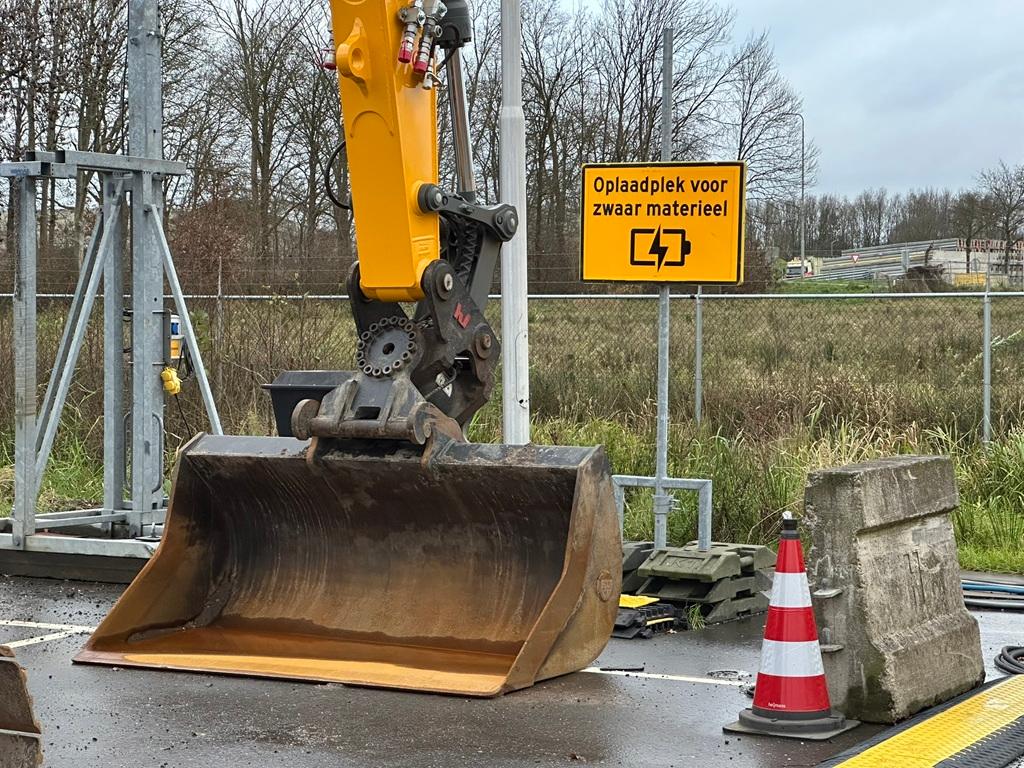
We developed charging infrastructure strategies and step-by-step plans that specify where and how electric equipment is charged on or near the construction site. We also supplied guidelines for the safe use of battery containers and hydrogen-powered generators.
Result
TenneT now has a specific framework for action for emission-free construction and charging. This will allow the organisation to permanently reduce its emissions while protecting safety on construction sites.