Integrated water management
17 subprojects for a living Meuse valley
Integrated water management
In north Limburg an ambitious programme runs across six sub-catchments of the Meuse basin. The aim? Achieve a good ecological status for our watercourses as set out in the Meuse river basin management plan. Witteveen+Bos was appointed to steer the process from preliminary studies to concrete designs, with and for local stakeholders.
Why this matters
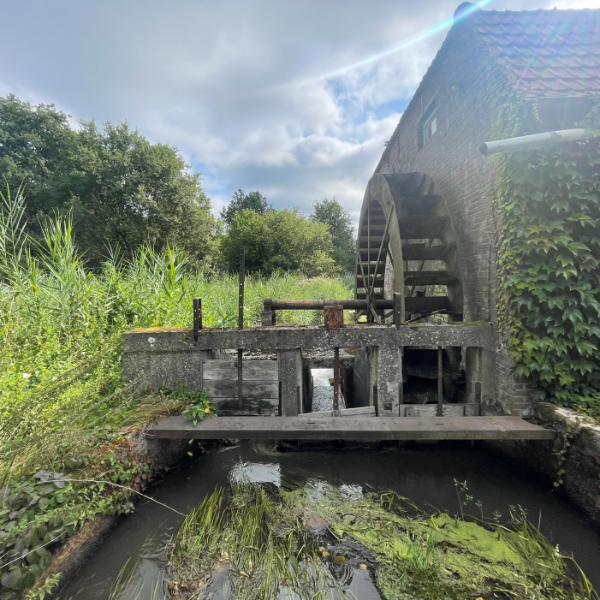
North Limburg breathes water. For centuries marshes, woods and heath formed a unique landscape, crossed by streams that flow into the Meuse. Old mill houses along the Abeek, Itterbeek, Bosbeek and Dommel still bear witness to that richer past. But intensive agriculture, industry and straightening of channels left marks:
- polluted and fragmented watercourses;
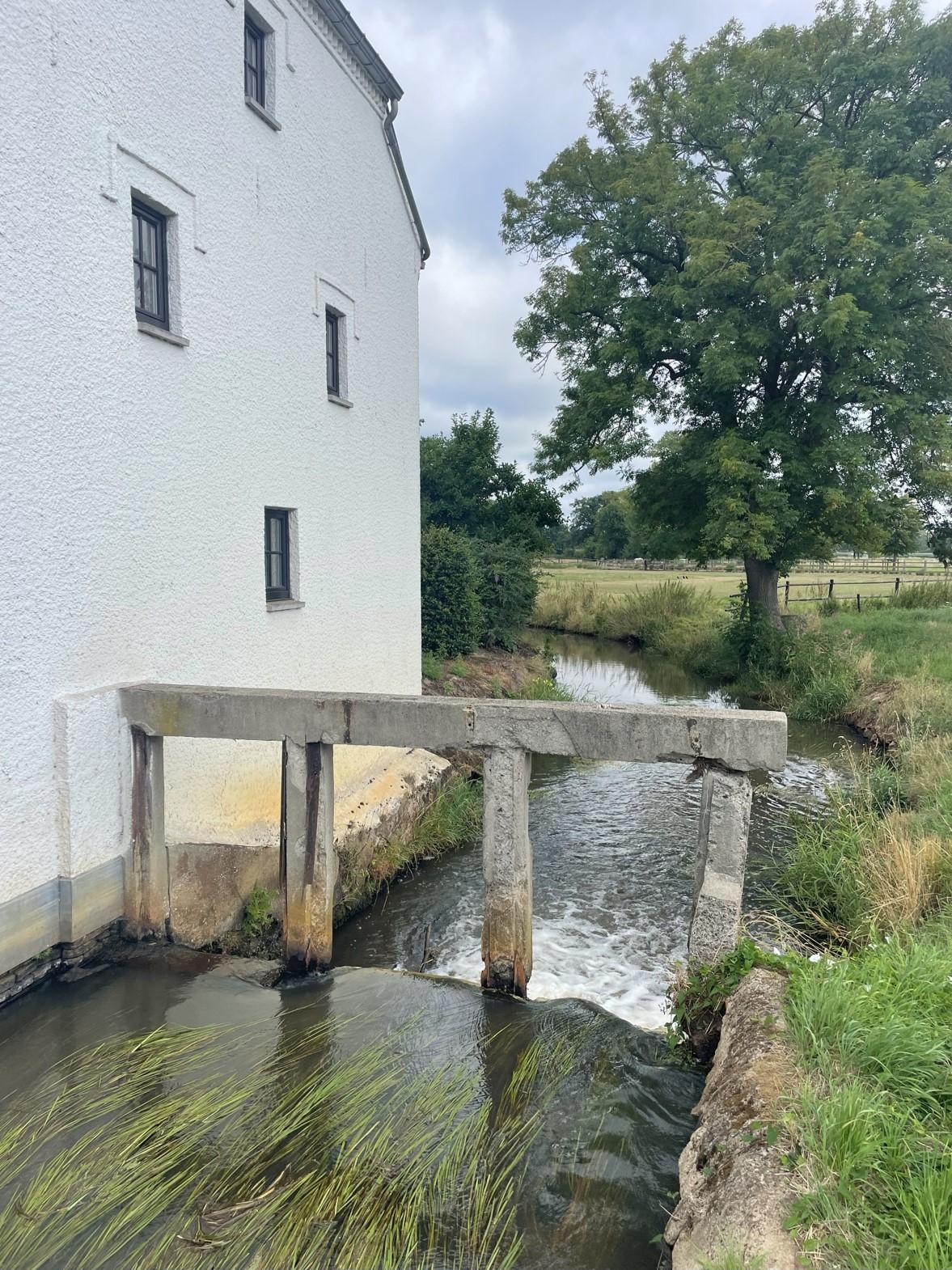
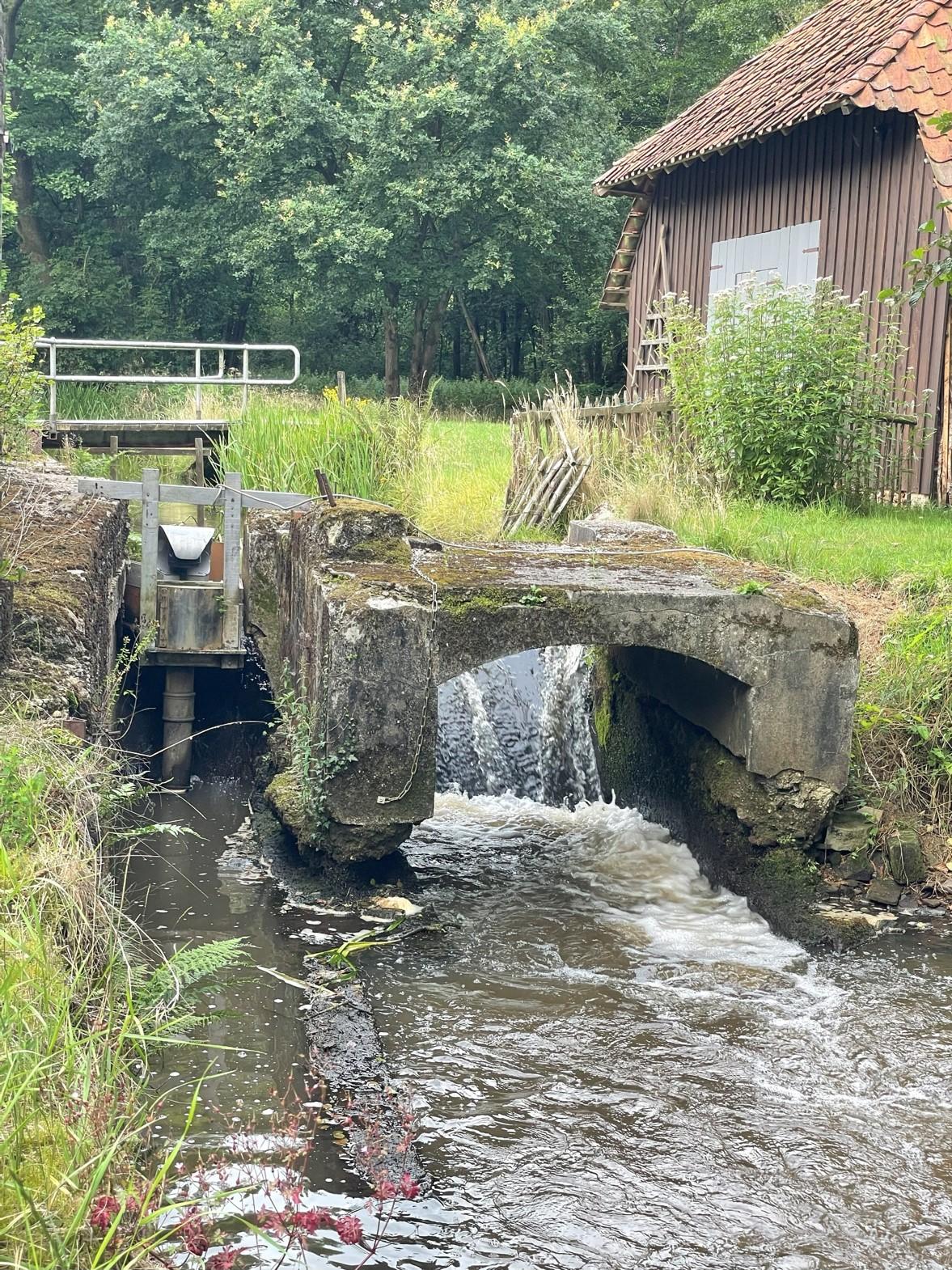
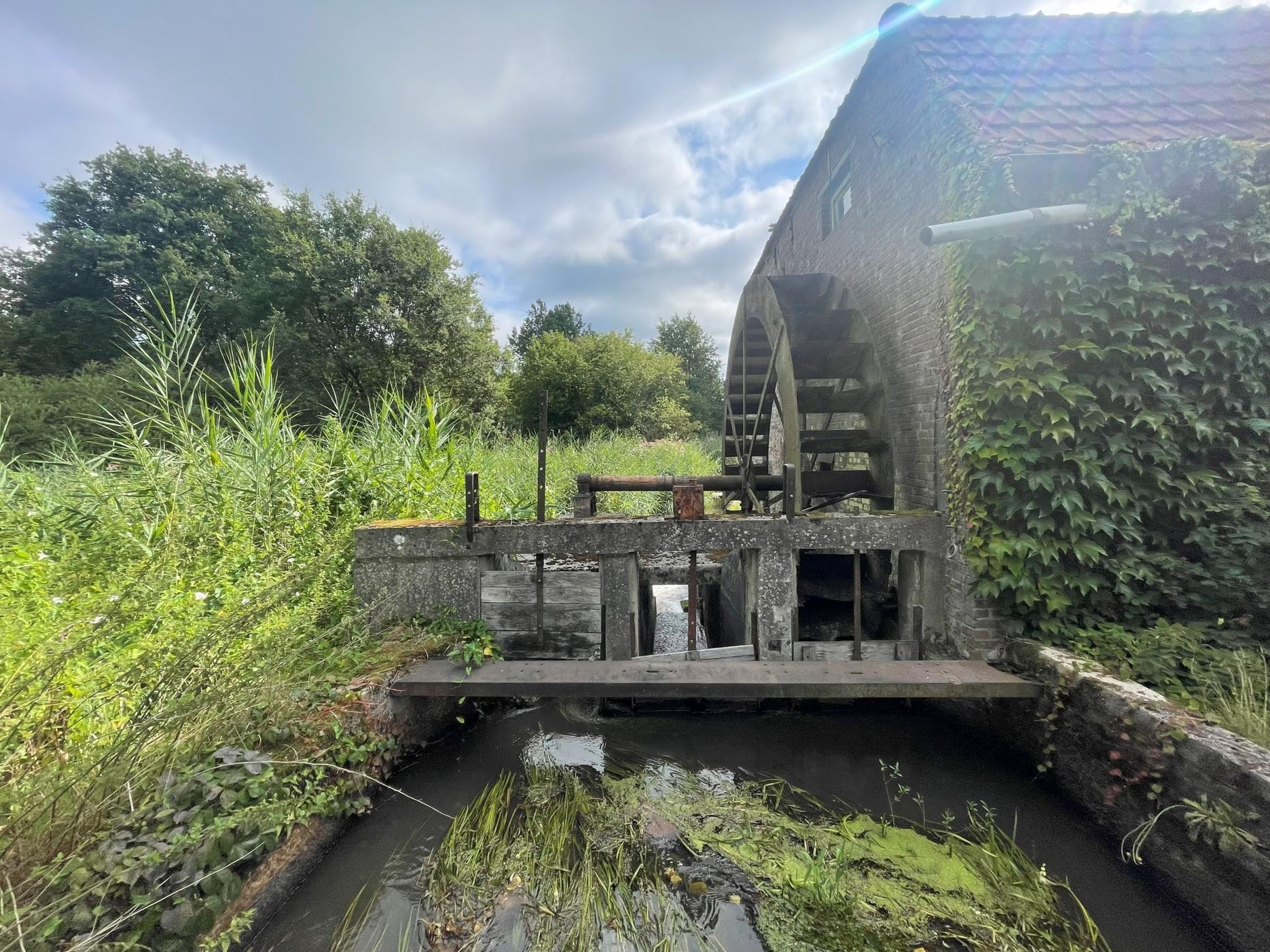
- weirs and mill barriers that block fish passage;
- loss of natural connectivity with stream valleys;
- greater vulnerability to both drought and flooding.
Restoration is not a luxury. It’s necessary for people, nature and cultural heritage.
Fish migration barrier
What we tackle
The 17 subprojects focus on three strands:
- removing fish-migration barriers, making historic weirs and mills passable again for target species such as dace, chub and brook lamprey.
- structural restoration of watercourses, giving space back to streams through measures such as re-meandering and reshaping channel cross-sections, to boost biodiversity, buffering and water quality;
- improving water quality, cleaning up discharge points and strengthening the streams’ natural self-purification capacity.
We always aim for multiple benefits: water storage, natural purification, recreation, nature development and even biomass.
'Alongside improved water quality, we also focus on reducing the impacts of flooding and drought and on enhancing people’s experience of the water.'
How we work
Every intervention grows out of a participatory process. We involve advisory bodies, stakeholders, mill owners, farmers and nature organisations. That builds support and sharpens ideas into a preferred scenario.
Our approach in three steps
- preliminary study: analysis of problems and possible solutions (ecohydrological, landscape and technical);
- pre-design: develop the most cost-effective, location-specific solution in plans, project notes, technical drawings and cost estimates;
- supporting tasks: topographic surveys and land-acquisition dossiers where needed.
We also model designs in InfoWorks ICM to test effects on water levels and flow.
'From fish migration to river restoration: together we build a resilient Meuse basin.'
Our vision: natural solutions first
Where possible we choose natural measures that strengthen both landscape and ecology. A high-value fish pass that supports nature wins over a purely technical structure. When restoring structure, we favour integrated solutions that link farming, nature and water management, not measures that pit them against each other.
The result? Streams that breathe again. Biodiversity that recovers. Communities better protected against drought and flooding.
A Meuse basin with a future
This large programme shows what integrated water management looks like: ecologically strong, technically grounded and supported by the region. Contact our team to find out how we can strengthen your area, your watercourse or your project.
More information?