The influence of electromagnetic fields on fish
The influence of electromagnetic fields on fish
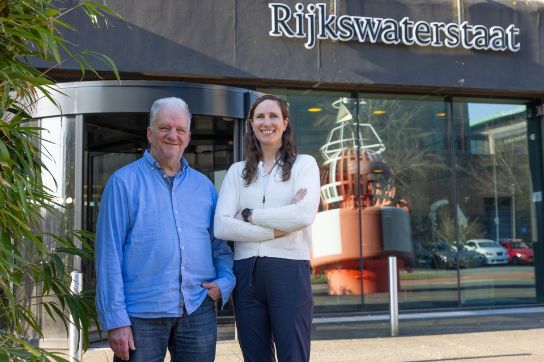
Annemiek Hermans has completed her PhD on the effects of electromagnetic fields on sharks and rays. During her research at Wageningen University & Research (WUR), as well as on her projects at Witteveen+Bos, Annemiek has regularly come into contact with Niels Kinneging. At Rijkswaterstaat, Niels is responsible for Descriptor 11 in the Marine Strategy Framework Directive (MSFD), European legislation aimed at protecting the ecosystems and biodiversity of oceans, seas and coasts.
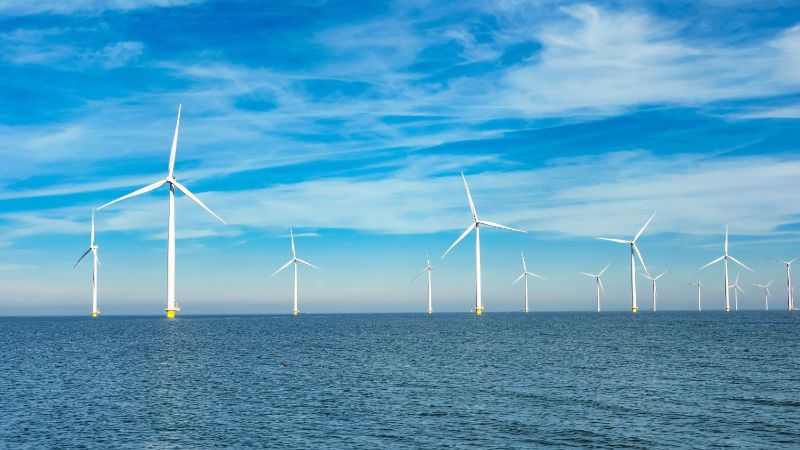
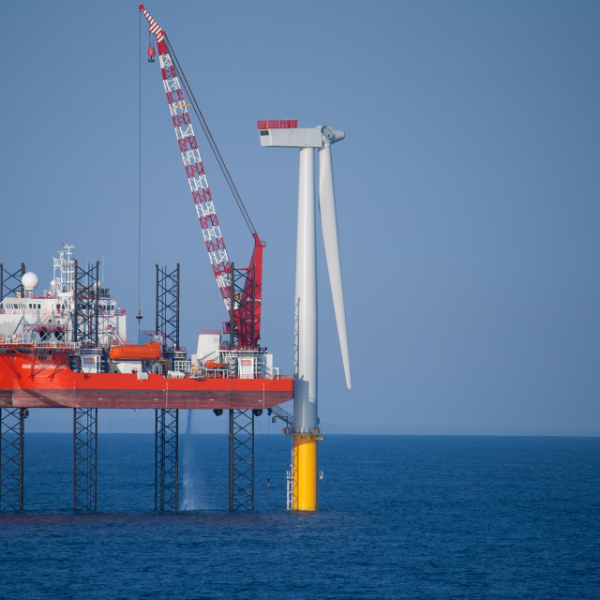
Descriptor 11 (D11) concerns adding energy to water – a consequence, for example, of (installing) wind farms and cables, whose effects include underwater noise and electromagnetic fields (EMFs). With his physics degree and fascination for sound, Niels was perfectly suited to this assignment when he became involved in 2013. Niels: ‘D11 was the last topic added to MSFD – in 2008 – so it’s relatively new. That means a great deal of knowledge needs to be developed before nature conservation measures can be devised. In my opinion, that knowledge development should happen within the golden triangle: the government in collaboration with research institutes and universities as well as market participants. Knowledge and experience should flow from one party to the other, which is what I’m trying to encourage.’
Infancy
The knowledge development for D11 began with underwater noise. EMFs were added later, and the knowledge area is still in its infancy. Annemiek: ‘I set up the Marine Ecology group at Witteveen+Bos around 2019. Of course, we then had to look for assignments to build up our portfolio. We submitted a tender to Rijkswaterstaat for research into impulse noise. Even though we’d tried really hard to satisfy the criteria, we weren’t awarded the assignment. So I contacted Niels to find out what we could do better the next time. It turned out that although our content was good, we lost because of our rates.’
Research topic
But a connection had been established, and other opportunities would follow. Niels: ‘For some time, I’d felt that EMFs would be added to D11, and I thought it’d be good for the Netherlands to take the lead in knowledge development. So I asked Annemiek to write an advisory report.’ It led to assignments for her group at Witteveen+Bos – which now handles EMFs as well as noise – and it provided her with a unique research topic for her PhD studies at WUR.
Specialist knowledge
ElasmoPower is the name under which research is being conducted into fish species sensitive to electric and magnetic fields, and into the impact on marine environments of installing wind farms and power cables. It is being carried out by a consortium that includes Witteveen+Bos. Niels is a member of the steering group, which makes him an excellent discussion partner for Annemiek: ‘He has an awful lot of specialist knowledge on the topic. That’s unusual in an organisation where knowledge is often outsourced. His combination of technical and ecological expertise is truly unique.’ Niels: ‘It’s true that I’m very much driven by content. That’s why even after a 40-year career, I’m still working with sound and am still not bored by it. I’ve always been given that freedom at Rijkswaterstaat. A lot has been achieved in noise research, and I’m really satisfied with that – but we’re not even close to being finished yet.’
Annemiek: ‘Sometimes, I think everything’s going slowly. But when you look back, you see that a lot has been done. What really helps – especially on a niche topic like this – is being able to work with someone whom you can tell what you really think. And who also works hard on the content when necessary. This is the kind of sustainable relationship we strive for at Witteveen+Bos, because it helps you get to the essence of things faster.’
Background
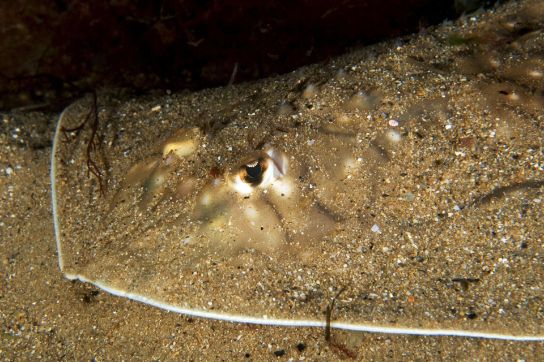
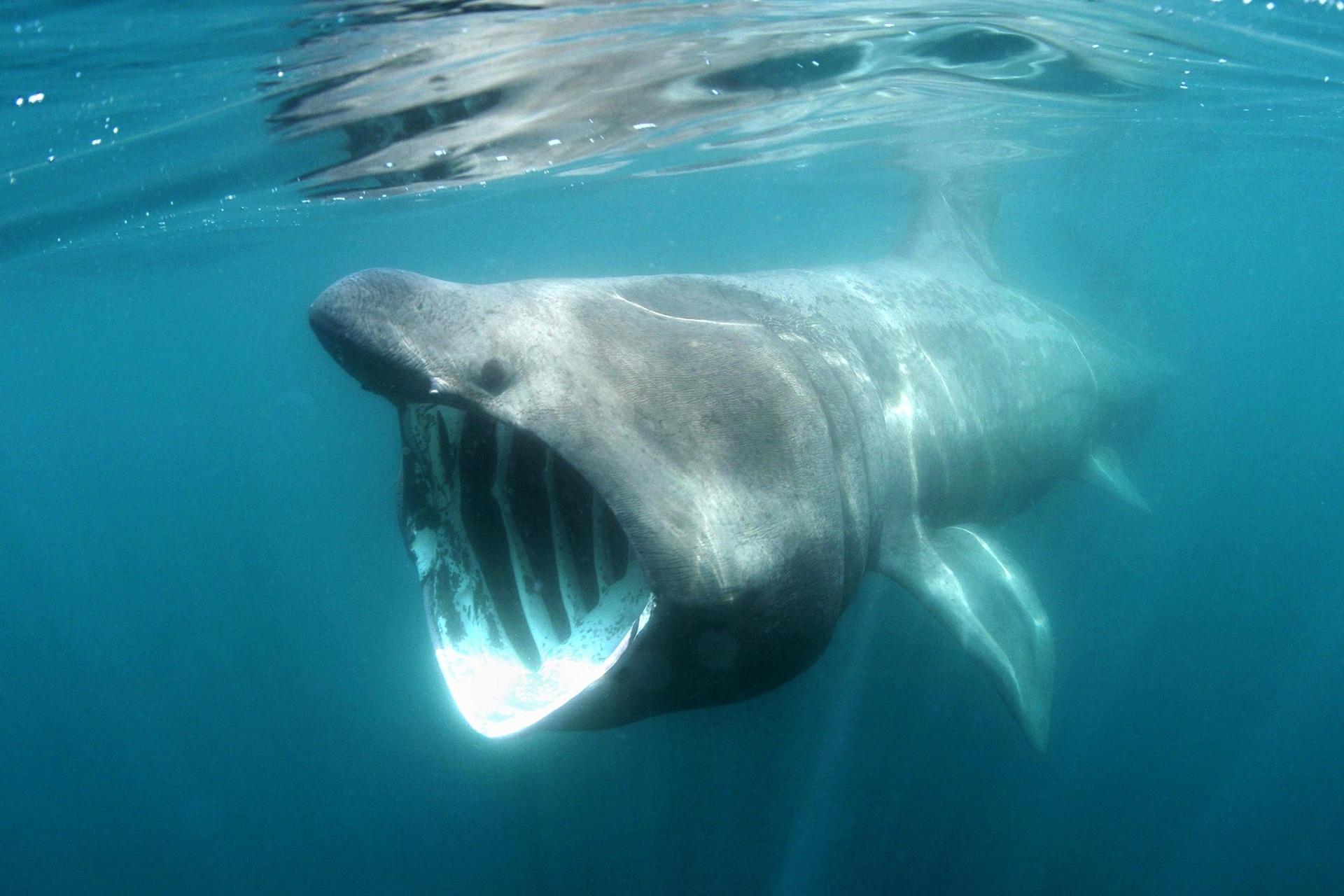
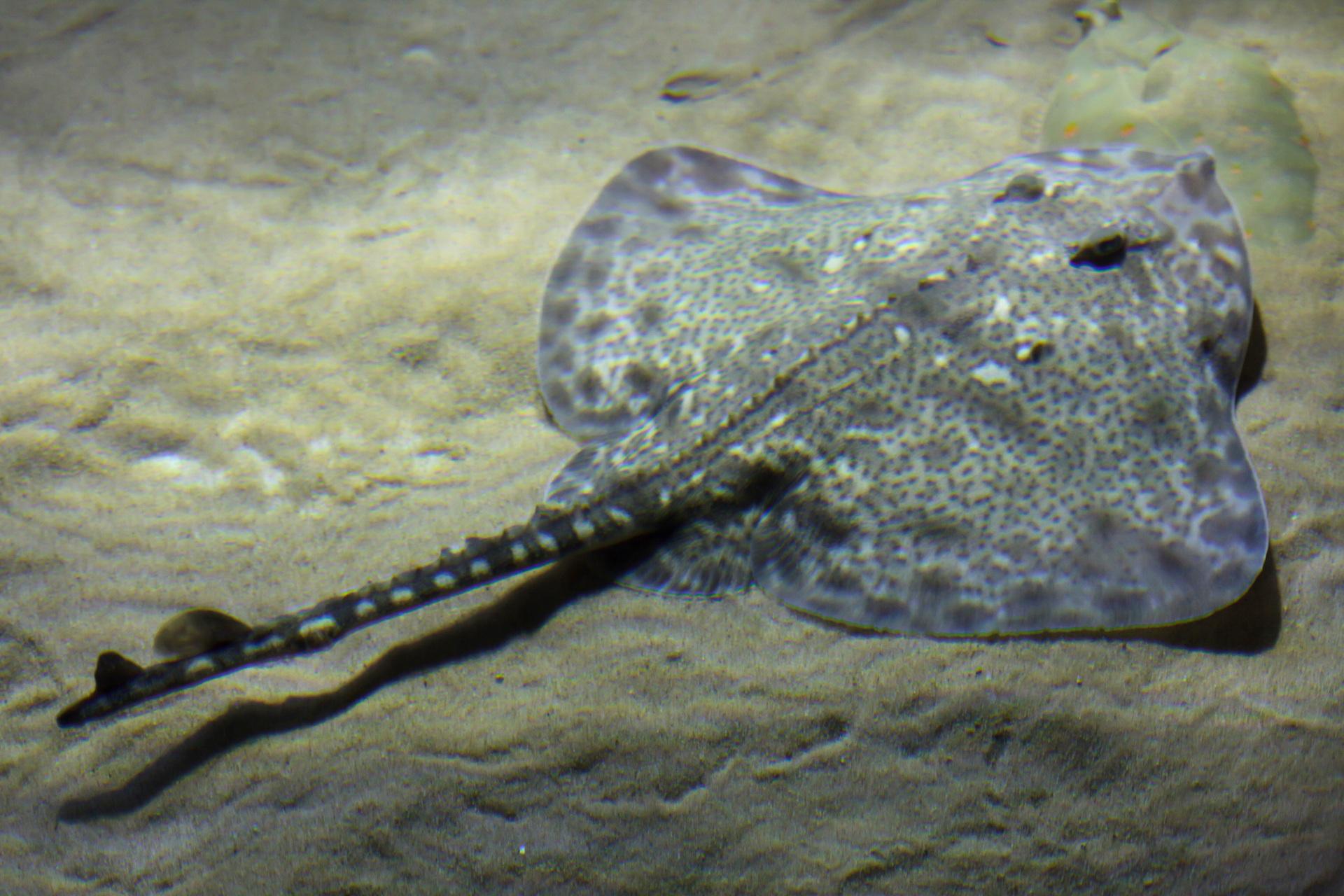
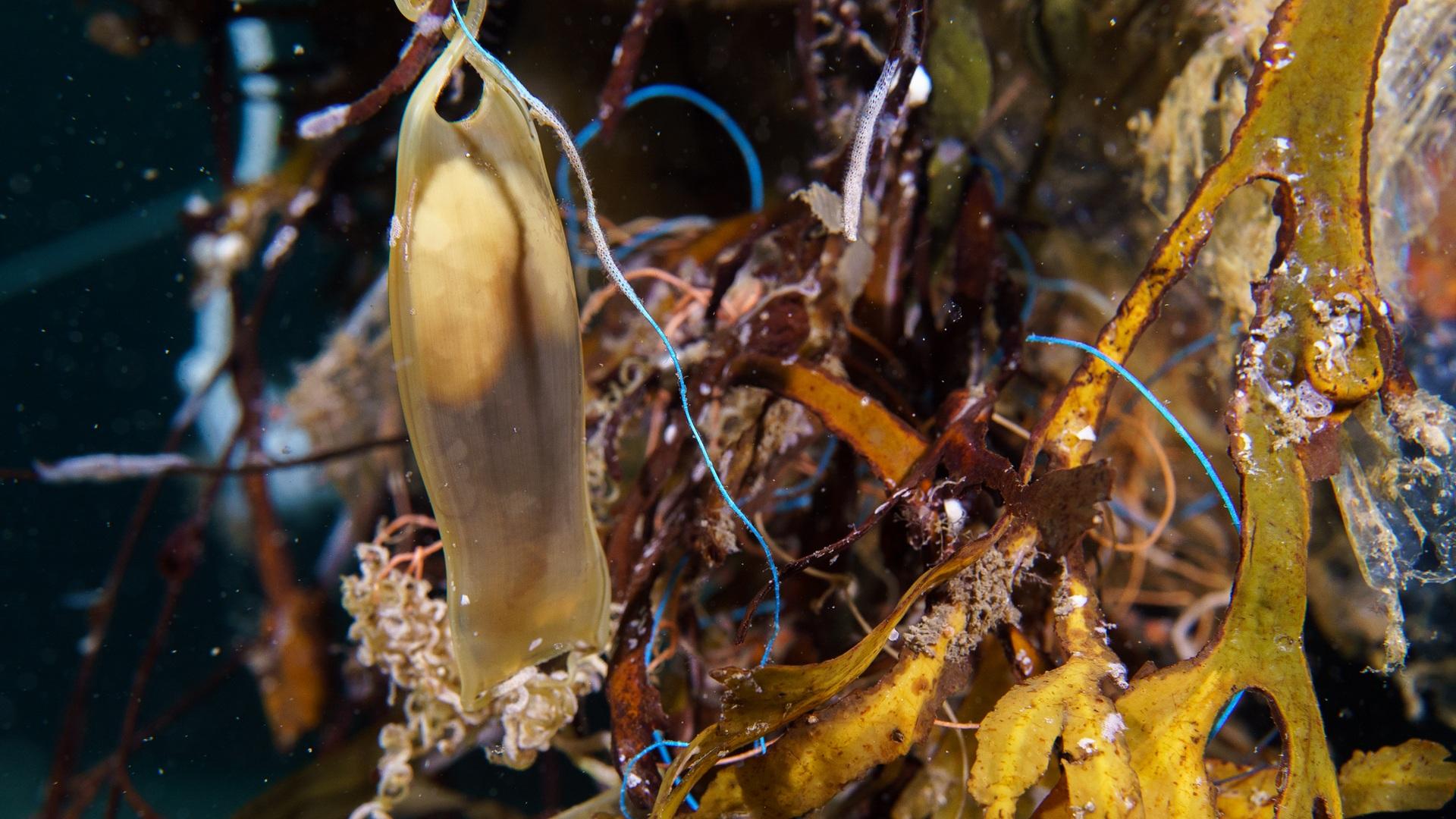
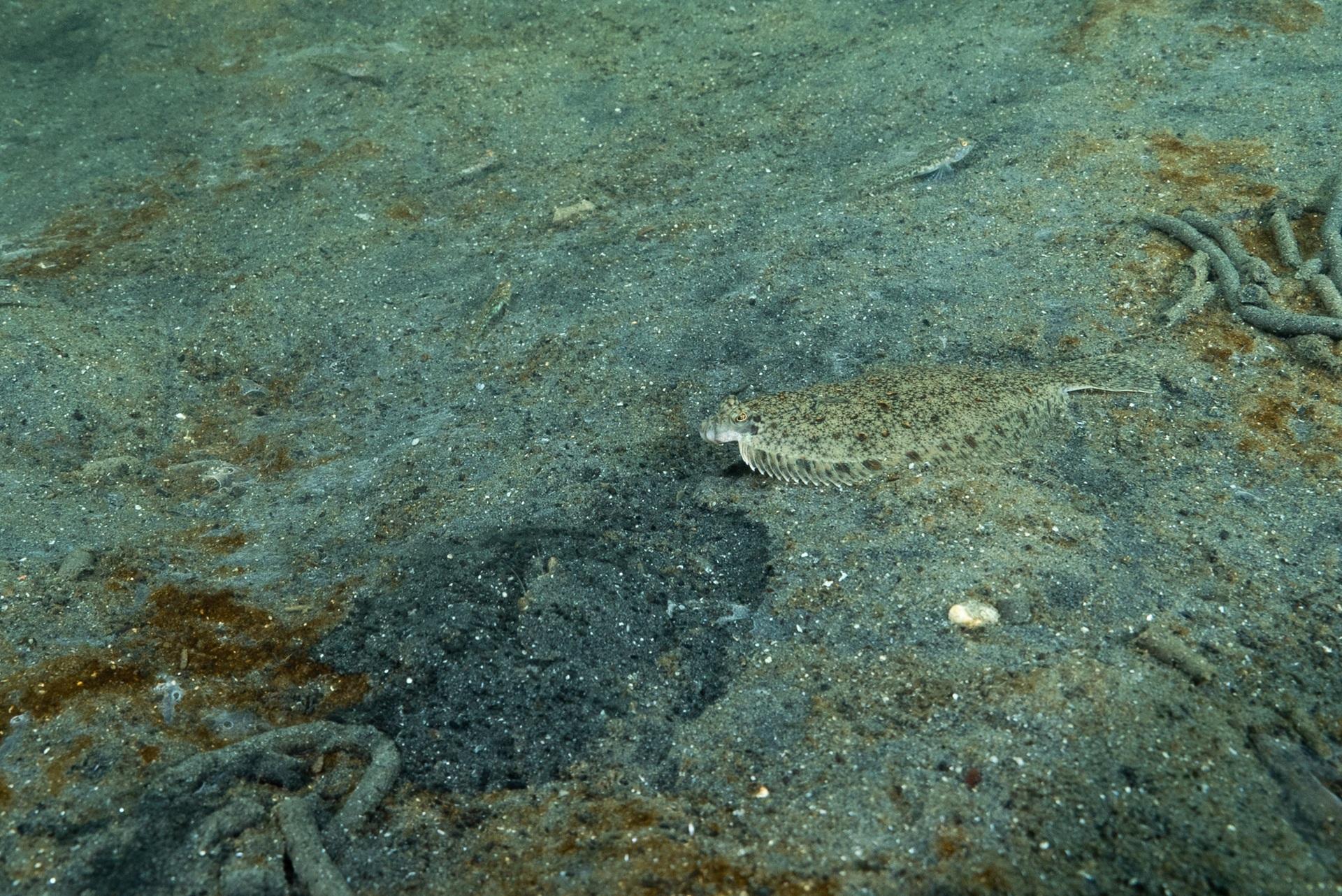
The North Sea is home to 145 different species of fish, including sharks and rays – also known as elasmobranches. Elasmobranches have a special sensory organ (the ampulla of Lorenzini) that makes them sensitive to electricity and magnetic fields. They are protected animals; and because many wind farms are going to be built in the North Sea, extra attention is being devoted to them and the possible negative effects of wind farms on their habitat.
Sharks and rays can be negatively affected by human-generated electromagnetic fields. These are created by wind turbines’ power cables and the cables between wind farms and the shore. EMFs can influence the behaviour, migration, capacity to find food, and reproduction of these animals. As it is not yet known exactly what these effects are, research is being conducted into them.
Rijkswaterstaat is working with parties including Wageningen University & Research, TenneT, and Witteveen+Bos on the multiyear ElasmoPower project, on which the effects of EMFs on cartilaginous fish, sharks, and rays are being investigated. ElasmoPower is financed by the Dutch Research Council with contributions from the government’s Wozep (wind energy at sea ecological programme) programme, among others. Witteveen+Bos is contributing to Wozep in several ways – for example, on the data stewardship programme, on which various kinds of research data is being collected and made accessible in a structured way.