Flemish blue deal
Specialist support for regional landscapes
Flemish blue deal
Since 2023, all regional landscapes in Flanders have been contributing to the Flemish Blue Deal. The goal: restore wetland nature, strengthen water connections and build more resilient landscapes. To achieve this, ecohydrological expertise and solid technical design are essential. Through a new framework agreement, Witteveen+Bos is supporting the 18 regional landscapes in their local water projects.
Why this framework agreement?
Regional landscapes often lead or support local, area-based projects. Yet for complex ecohydrological studies, design drawings or permitting procedures, they seek additional technical expertise.
That’s where Witteveen+Bos comes in. Our coasts, rivers and cities business unit delivers sound analyses and practical, buildable plans.
How does the agreement work?
Thanks to this framework agreement, each regional landscape can quickly and efficiently draw on our expertise, without having to launch a new tender each time.
Our services include:
- ecohydrological system analyses;
- technical and detailed design;
- plans for river remeandering and reprofiling;
- solutions using swales, sluices and bank restoration.
Through this framework, we help regional landscapes realise projects faster, smarter and more effectively. The result: Blue Deal projects that are both scientifically robust and practically feasible.
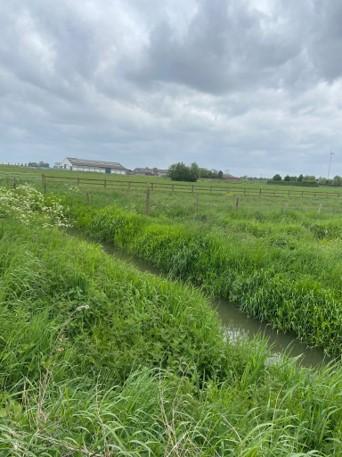
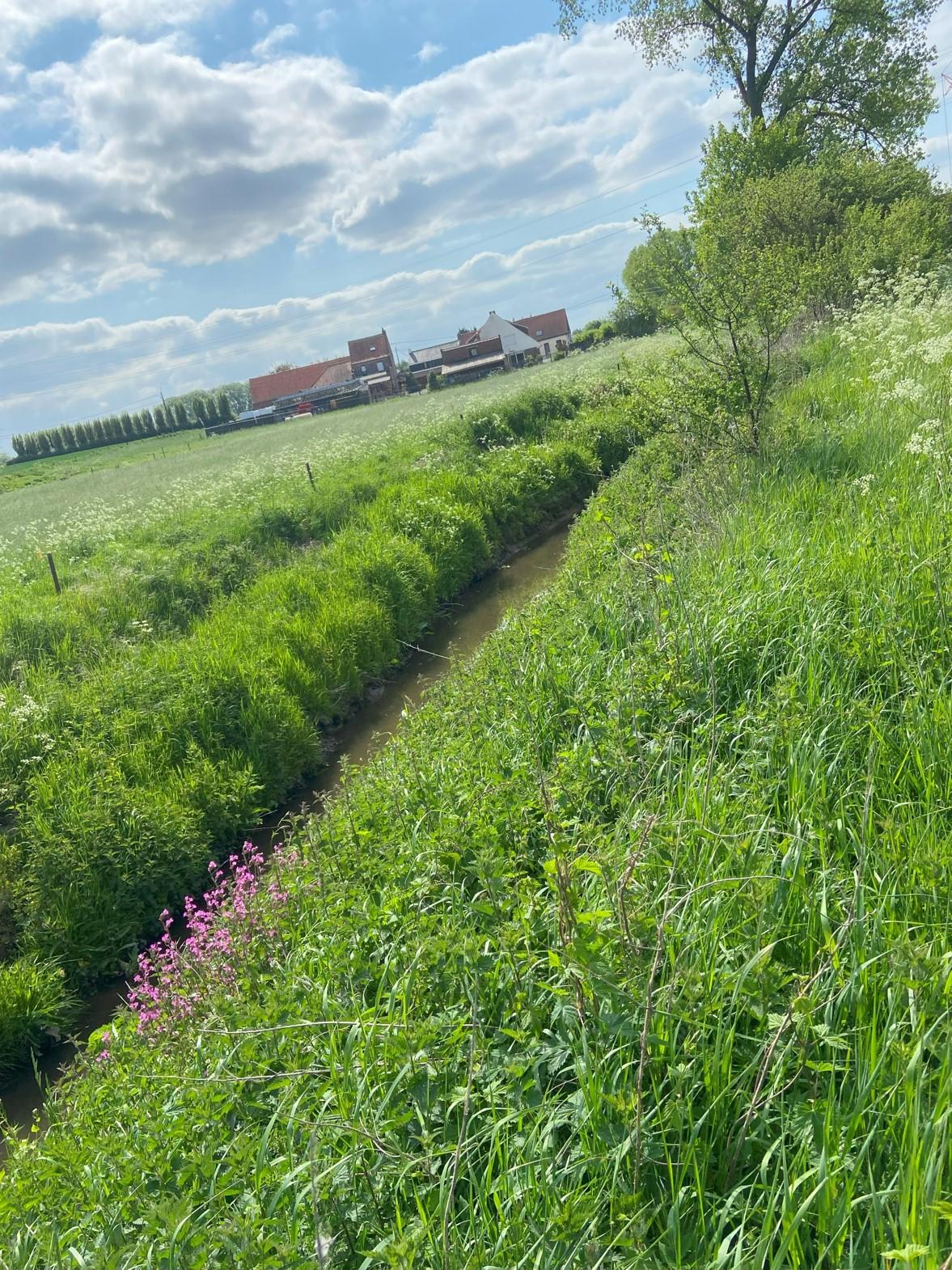
Examples from the field
Ebroekloop, Berlaar
The stream is being reshaped into a more natural watercourse, enhancing ecological value and nature experience. Our hydro(morpho)logical analysis forms the basis for redesigning the channel and its banks.
Grote Spiere, Rollegem
Here we focus on bank restoration and increasing ecological value. A special feature: the nearby cemetery and playground are integrated into the design, creating a coherent nature experience zone.
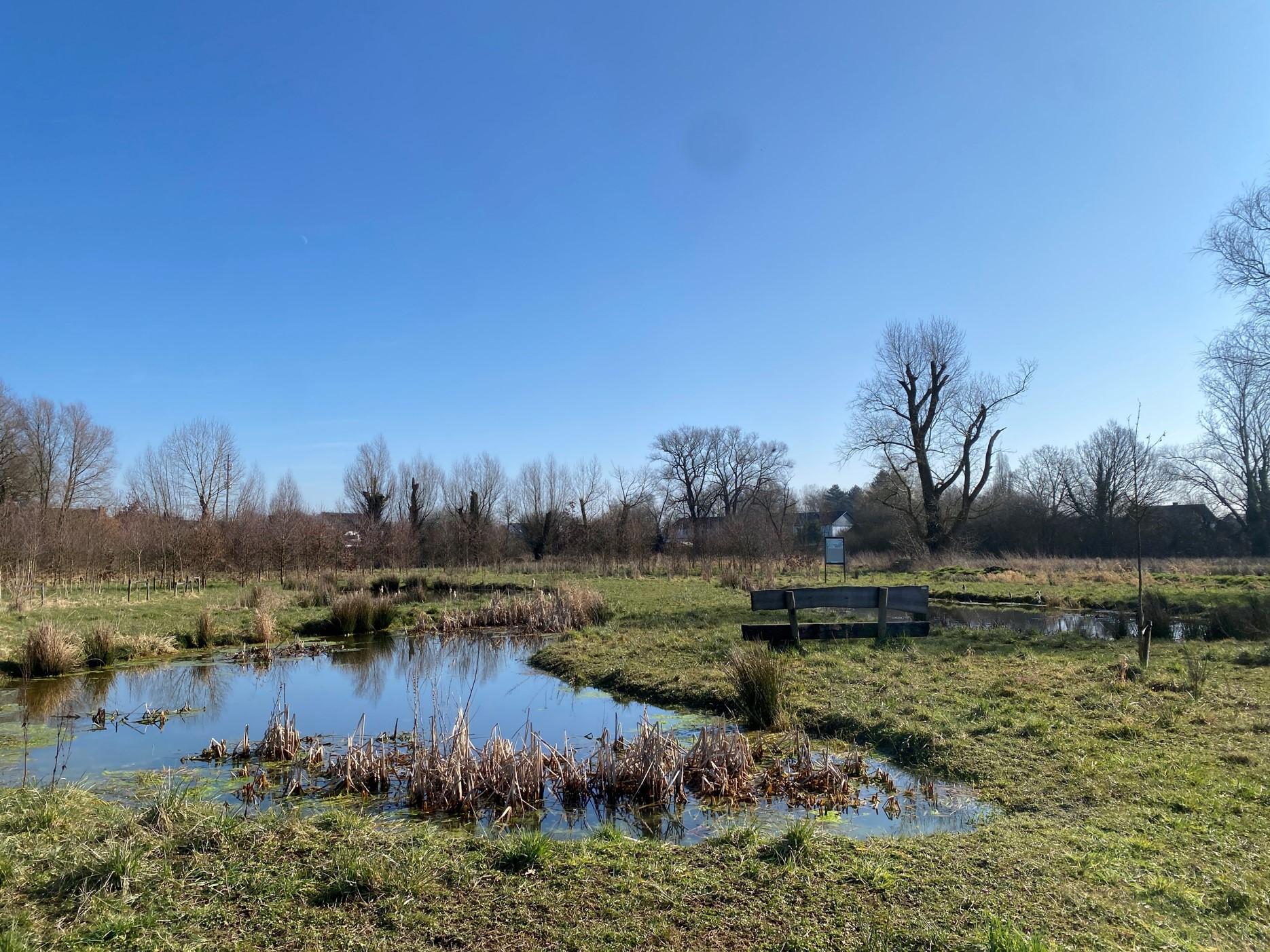
Roobeek, Ardooie
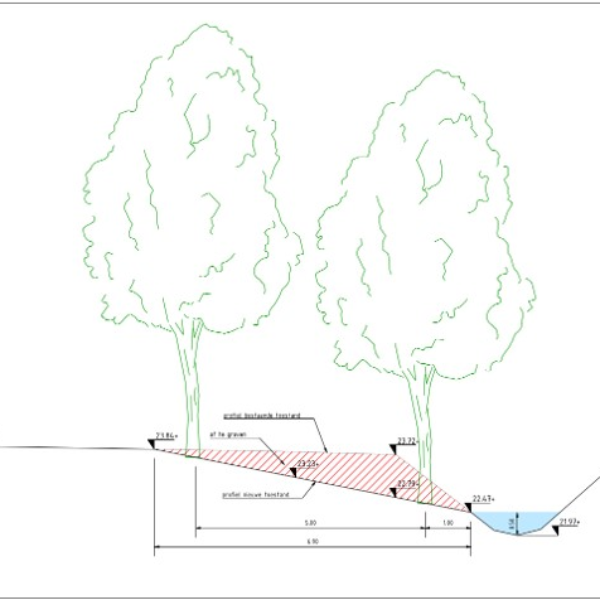
The banks are gently sloped so that water and land merge seamlessly. During heavy rainfall, the stream can temporarily retain more water, reducing flood risk. At the same time, wet zones are given room to develop. Aquatic plants such as helophytes filter nutrients from the water, improve water quality and create a healthier habitat for plants and animals.
More information?