Underground Sponge in Ghent’s Citadelpark
Smart rainwater management, even where space is limited
Underground Sponge in Ghent’s Citadelpark
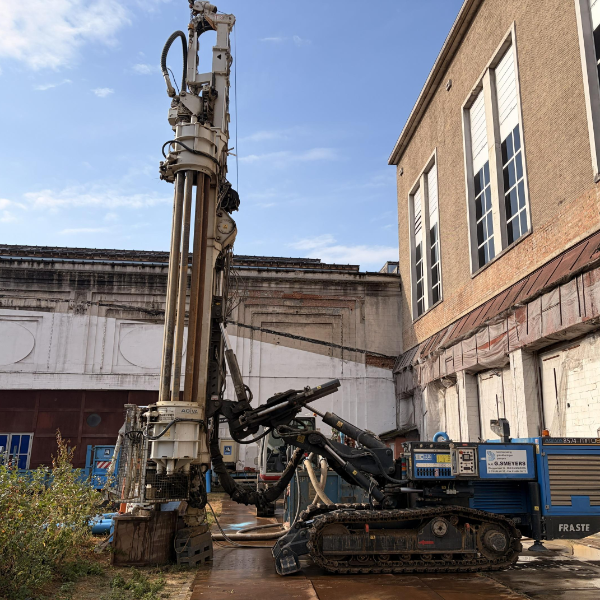
How do you make a historic city park more resilient to both drought and heavy rainfall without compromising its character? This question lies at the heart of the Underground Sponge project in Ghent’s Citadelpark.
As part of the Blue Deal programme, the City of Ghent, Farys, iFLUX and Witteveen+Bos are developing an innovative water management strategy. Its aim is to retain and reuse as much rainwater as possible, while also returning it to the groundwater system.
Among other solutions, the project is exploring vertical groundwater infiltration: a technique that directs rainwater deep into the ground to replenish groundwater reserves. The intended result? To transform Citadelpark into a natural sponge that stores water during wet periods and keeps it available when drought strikes.
Why is this approach needed?
Citadelpark is situated on elevated ground, with a deep groundwater table and highly permeable sandy soil. These conditions make it particularly suitable for rainwater infiltration. Yet much of the rainwater currently still flows into the sewer system because of the many impermeable surfaces within and around the park.
Conventional infiltration measures offer few options here. The park’s topography, monumental trees and heritage value leave very little room for additional above-ground interventions such as swales. The project is therefore investigating an innovative solution below ground level.
Our contribution
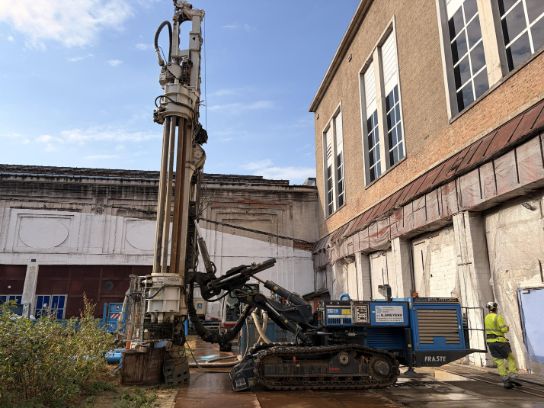
Witteveen+Bos is mapping the subsurface and assessing whether vertical infiltration is technically and hydrogeologically feasible. Our hydrogeologists are carrying out a comprehensive study of the soil structure, groundwater flow and infiltration capacity.
Based on these findings, we are designing and overseeing infiltration and pumping tests to be carried out in August 2026.
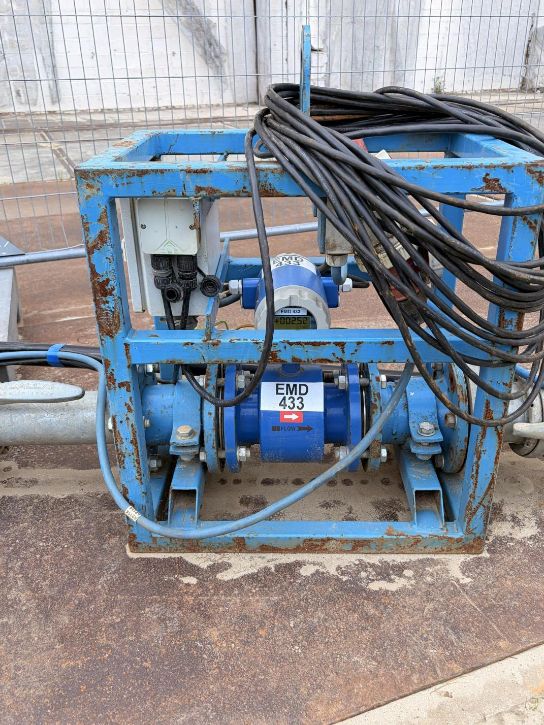
During these field trials, we will monitor subsurface conditions using an extensive network of piezometers and flux sensors. We will combine the resulting data with a three-dimensional groundwater model developed specifically for the project. This will allow us to determine how much rainwater can be safely infiltrated and how this affects groundwater levels. The findings will inform the further design of the infiltration system.
What are we doing?
- Modelling the hydrogeological structure and groundwater flow within and around Citadelpark;
- Designing, preparing and overseeing infiltration and pumping tests;
- Coordinating the hydrogeological field investigations;
- Analysing monitoring data using a 3D groundwater model;
- Assessing the feasibility of vertical groundwater infiltration and optimising the proposed approach.
Results
The proposed water management strategy will help retain rainwater locally and make better use of it. This will result in:
- Less pressure on the sewer system during heavy rainfall;
- Replenished groundwater reserves during wet periods;
- A rainwater reserve of approximately 275 m³ for the sustainable management of the park’s green spaces;
- A Citadelpark that is more resilient to climate change and extreme weather.
Knowledge for other cities
Underground Sponge is more than a local project. The combination of field trials, intensive monitoring and advanced groundwater modelling will generate new insights into vertical infiltration in an urban environment.
These insights could also benefit other locations where space is at a premium but the need for climate-resilient water management is high. In this way, the project will contribute to innovative solutions for drought and flooding across Flanders.