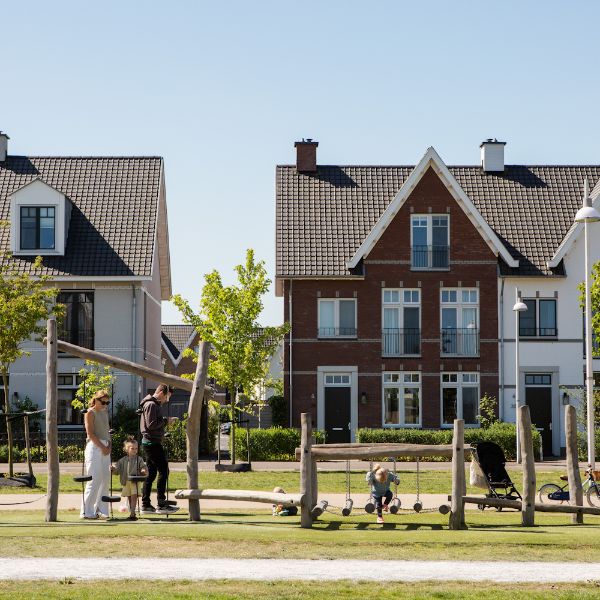
Toolkit for parent-friendly and child-friendly public spaces
Design principles as tools for an inclusive city
Toolkit for parent-friendly and child-friendly public spaces
In the early years, parents of young children need peace and quiet, support, social contact and a familiar environment. Yet many parents, particularly mothers, feel they lack local social networks. This raises the question: how can public spaces be made more appealing to parents with young children?
‘When I’d just become a mother, I realised that little thought had been given to the needs of young parents. The child is always the focus, but as a young parent you naturally have needs of your own,’ said a young parent during an interview.
Witteveen+Bos and Wageningen Municipality have tackled this question together and worked with students from Wageningen University on a design study exploring how public spaces can be made more parent-friendly and child-friendly. The findings are, of course, also of interest to other Dutch municipalities.
Lack of integrated facilities
The biggest obstacle for parents of young children is the lack of integrated facilities that combine parent-focused hospitality with attractive play areas.
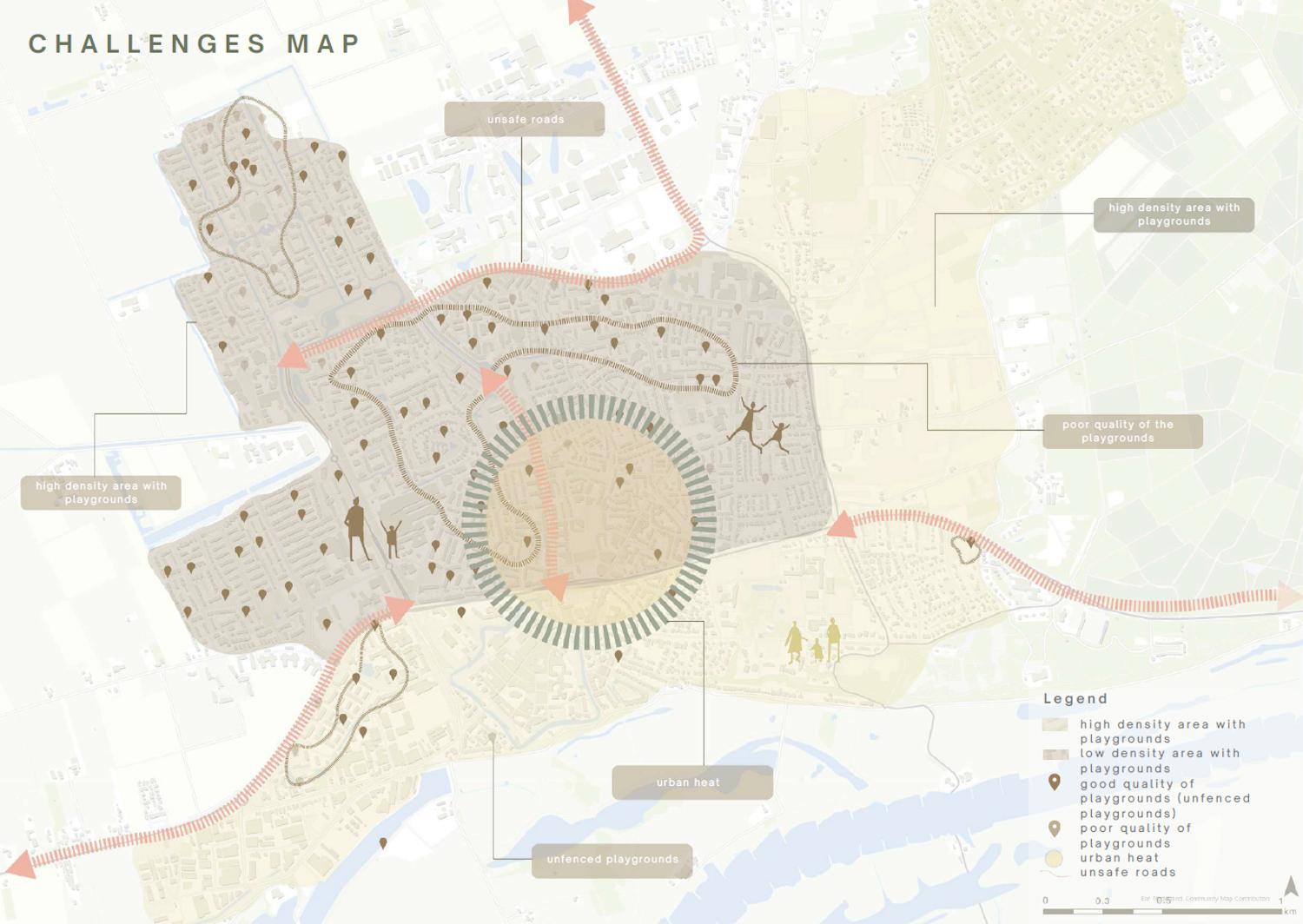
In the design study, we sought solutions to this problem, combining a literature review, demographic analysis, fieldwork and interviews with users and stakeholders.
We examined how the landscape, social infrastructure and public space can be optimally utilised to make public spaces more attractive to parents with young children aged between zero and four years.
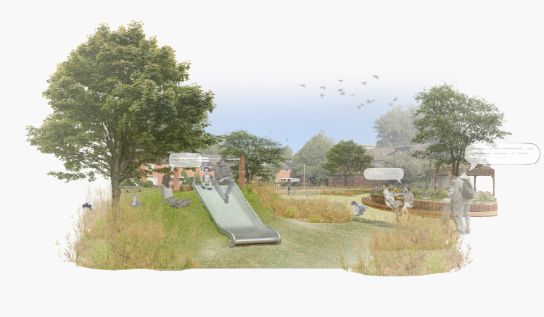
Versatile toolbox
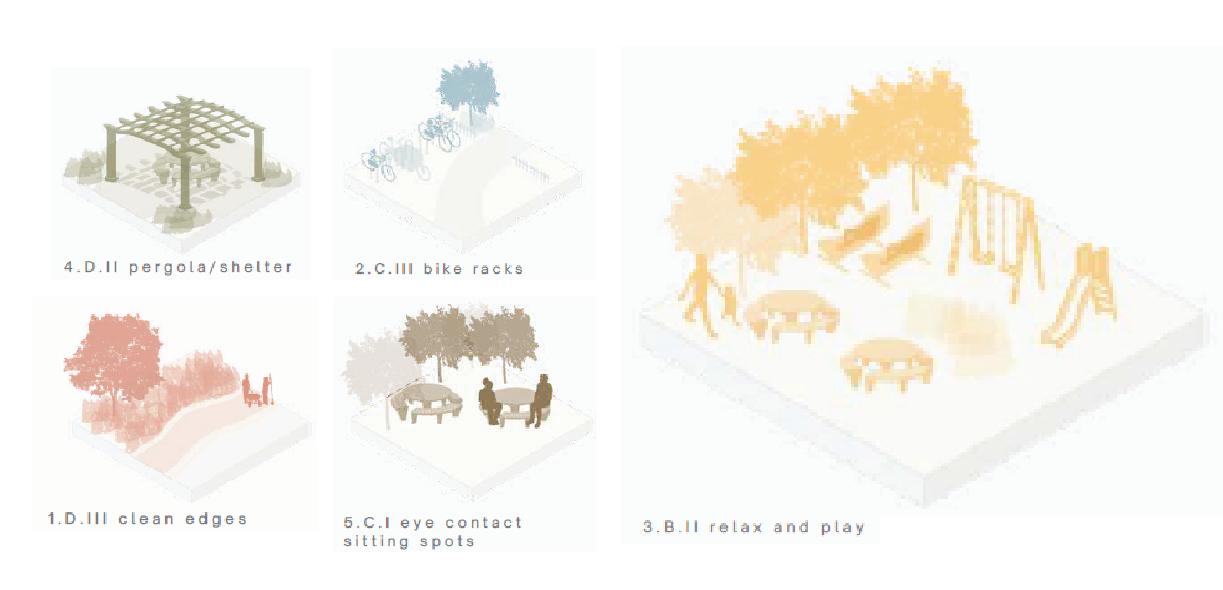
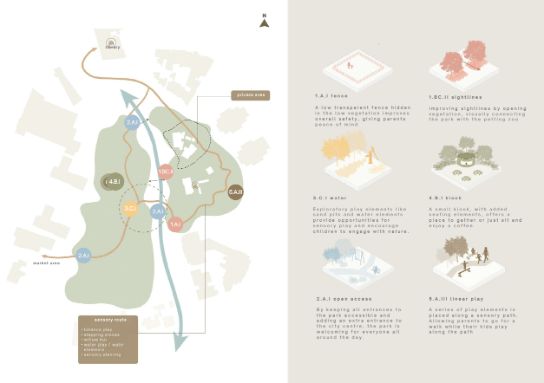
The result is a versatile toolbox containing design principles. The toolbox is organised around the themes of safety, accessibility, discovery, comfort and interaction. It can also be used for other design projects where the target group is parents with young children.
To encourage the practical use of the Toolbox and to illustrate the vision, a leaflet and a poster have been produced. These serve as an incentive to embed the vision for a more parent-friendly and child-friendly public space in policy and design.
The importance of community networks
The municipality of Wageningen has recognised the importance of community networks and has therefore enshrined inclusivity in its environment and planning vision. This creates a policy framework for strengthening these networks through spatial and programmatic design.
The municipality is currently updating its policy on play areas and facilities as well. This presents an excellent opportunity to put these principles into practice, with a particular focus on Wageningen’s diverse community, including young parents from different cultural backgrounds.
Ready for implementation
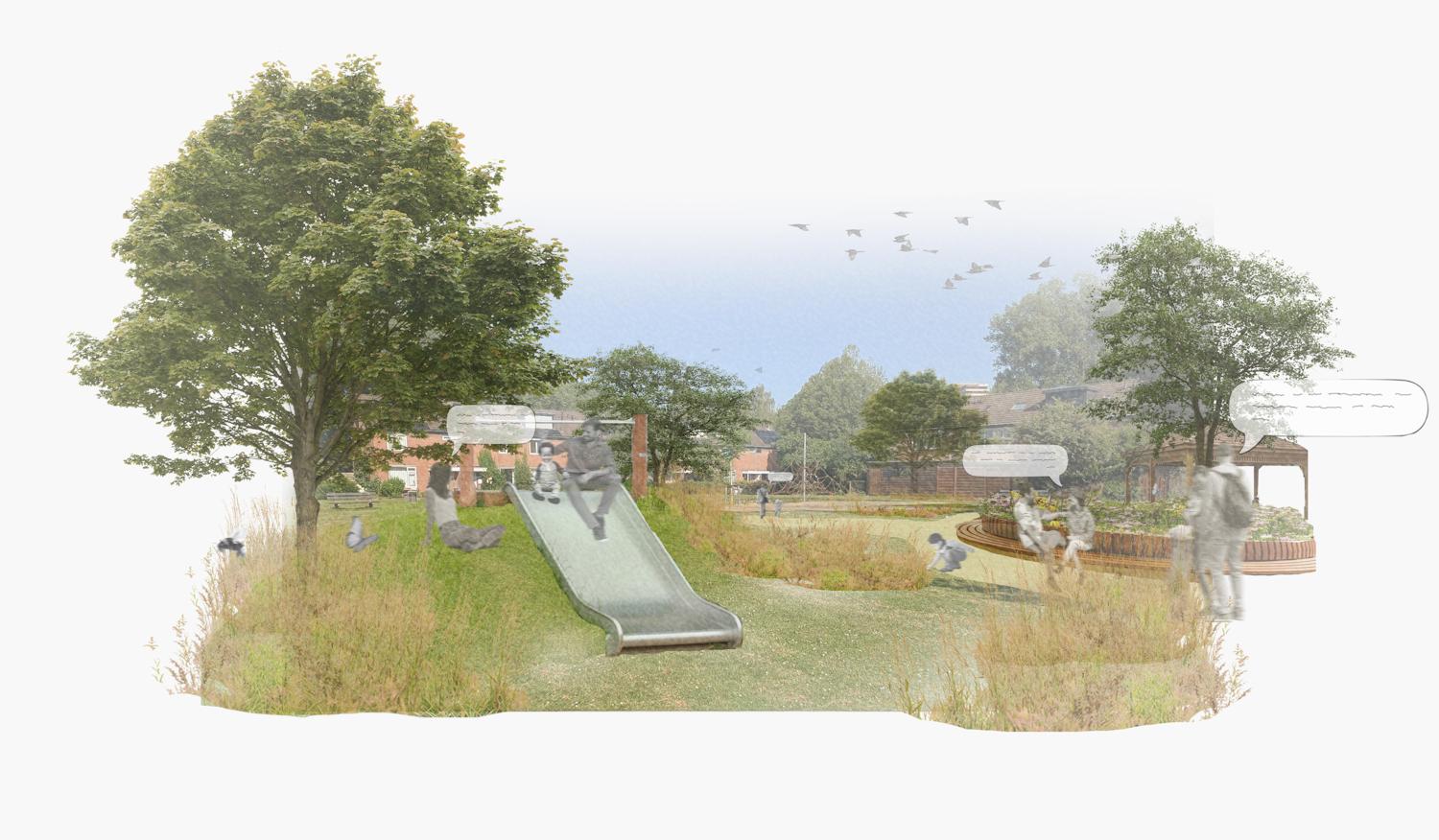
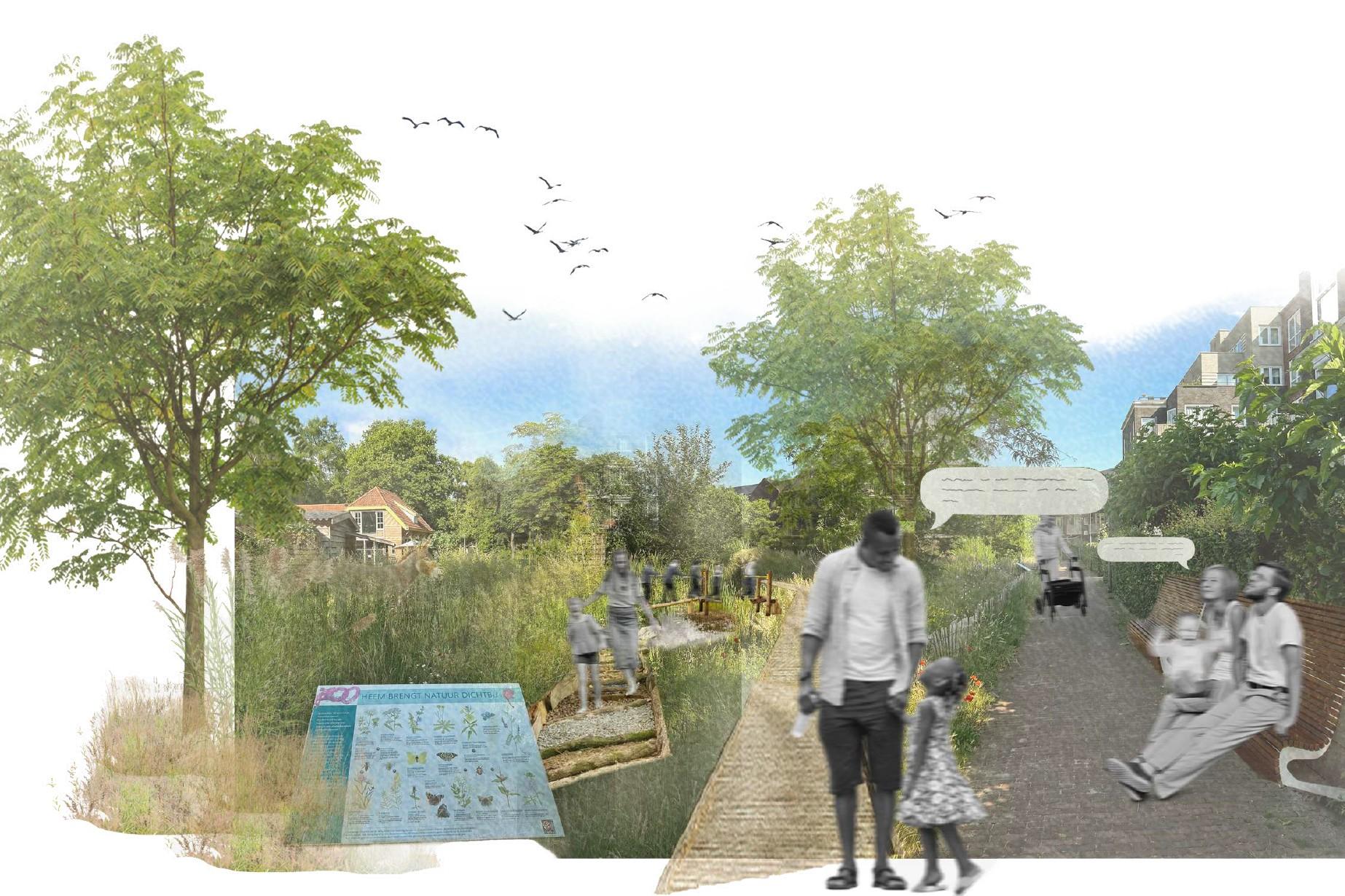
The research into parent-friendly and child-friendly public spaces has yielded a wide range of insights. The research team has translated these into concrete design principles that contribute to a green, safe, inclusive and welcoming living environment where parents and children feel at home.
The toolbox and the underlying knowledge are now available for widespread use. Are you interested in a work session or a case study to get started? Please contact Marloes van der Kamp or Caroline Bruens.
Want to know more?