ESIA as a tool for project success
ESIA as a tool for project success
For Witteveen+Bos, an Environmental & Social Impact Assessment (ESIA) is not just a legally required risk assessment on a project’s environmental and social impact in the end phase. An ESIA is also a powerful tool to use at the beginning, to ensure a better project. This approach has already attracted an extensive international project portfolio.
Witteveen+Bos has performed successful ESIA and related due-diligence projects around the world – in Latin America, Africa, Europe and Asia – for clients such as credit bureaus (e.g. Atradius), financial institutions (e.g. RVO, FMO and IFC), and private developers and service providers.
Thanks to our economies of scale and our experience, we can combine incisive ESIAs with technical expertise. We have in-house experts in key areas, such as environment (ecology and nature-based solutions), social impacts, technology and economics (SCBAs). The added value of combining expertise in technology, the environment and social issues is that we can optimise the design or project at an early stage within a single design team.
This avoids having to backtrack after an external ruling, or missing opportunities to minimise project impacts. In this process, Witteveen+Bos applies the IFC performance standards, the OECD guidelines and the Equator Principles.
Four levels of added value
A key feature of our approach is a conscious decision to assess environmental and social impacts at the earliest possible stage. This lays the groundwork for added value at four levels:
- prevent environmental risks and social harm;
- boost chances of project success by early detection of risks and opportunities, and incorporating these into a refined design;
- shore up public support by involving stakeholders and local residents;
- set out clear frameworks for developers and supervisory authorities in the execution phase.
Bridge building in Indonesia: protect flora and fauna, secure revenues
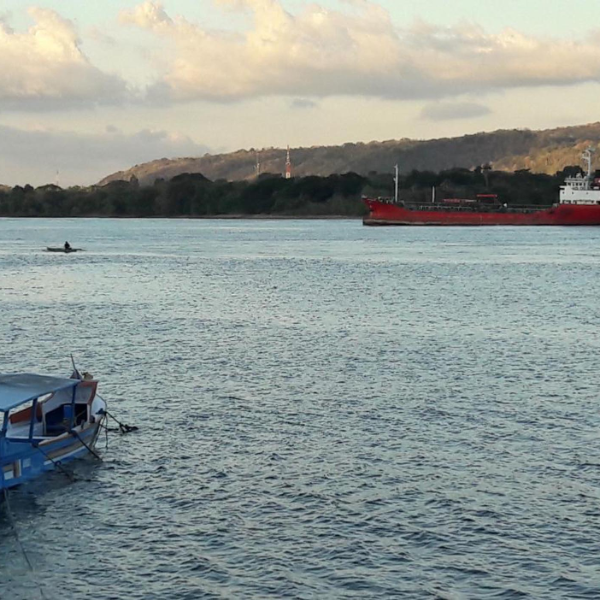
Witteveen+Bos was involved from the start of a project for a new bridge in Indonesia, to take stock of the environmental and social risks in an ESIA. In terms of the environment, we detected the presence of whales in the project area. The project design and planning were adjusted to protect these animals.
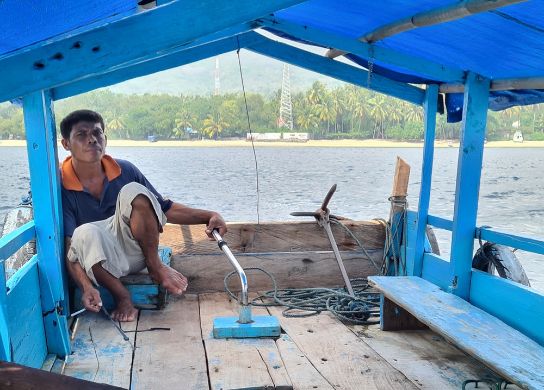
In addition, the bridge could cause unemployment among ferry boat operators. It could also have an adverse impact on homes and farmland. Based on our advice, they changed the location for the eastern end of the bridge, to minimise the impact on housing and agriculture. They created a retraining program for ferry boat operators. These measures provided added value at the four levels noted above, resulting in a satisfied client, funder, and project environment.
ESIA: valuable insights and combination opportunities
‘Risk-based thinking is an excellent starting point for an organisation to engage with people, culture, nature and the environment. An ESIA almost always provides valuable insights and combination opportunities for the original project goal to create added value for the local area, people and nature,’ notes ESIA expert Abel Knipping. ‘By applying an ESIA lens, we can make small project adjustments to identify major adverse impacts on people and the environment at an early stage, so we can prevent and mitigate them properly. The ESIA often finds opportunities that likely otherwise would have been missed.’