What we measure
What we measure
The Witteveen+Bos Odour Lab carries out measurements and analyses to assess odour and atmospheric emissions. We measure emissions including odours, total hydrocarbons, specific hydrocarbons, substances of very high concern (SVHCs) and ammonia (NH₃).
Odour
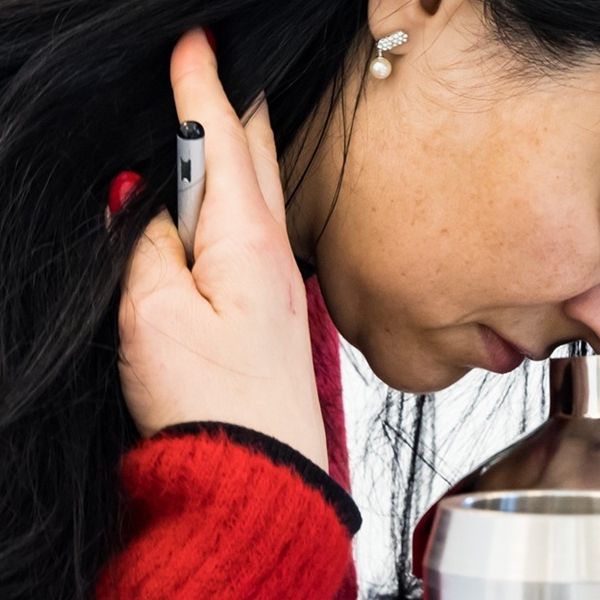
Witteveen+Bos carries out measurements to objectively determine the odour concentration from emission sources. We take odour samples at the sites of industrial processes and installations etc. and then determine the odour concentration in the lab.
The results can be used for odour studies, emission calculations, permit processes and to assess odour nuisance.
Hydrocarbons
We can determine the total hydrocarbon content (THC) in emissions and air samples. This allows us to assess the scale of a hydrocarbon emission.
As well as the total hydrocarbon content, we can also measure specific hydrocarbons to produce a more detailed emissions analysis that identifies and quantifies individual compounds.
SVHCs
Substances of very high concern (SVHCs) demand special attention due to the potential risks to humans and the environment. We can carry out measurements to identify SVHCs in emissions and to determine the concentrations of specific substances.
For each measurement assignment, we determine the optimal measurement method and strategy for the substance and situation in question.
NH₃
Ammonia (NH₃) is an important compound in many industrial and agricultural processes. We can carry out ammonia emission measurements and determine the NH₃ concentration in emissions.
We adapt the measurement strategy to the source, desired information and objective of the study.
Step 3: Analysing
In our Odour Lab, we analyse the odour samples collected by our measurement team. We do so by diluting the sampled air in an olfactometer (a dilution device) and presenting it to an odour panel.
We offer various sensory analysis techniques and associated services, for example for measurement agencies without their own lab:
- Determination of the odour concentration (ouE/m3) in accordance with NEN-EN 13725:2003;
- determination of the (un)pleasantness or hedonistic value of odours in accordance with NEN2818: 2019/2005;
- determination of the odour threshold value of pure aromas or aroma mixtures;
- certification of the olfactory sensitivity of persons (for example employees who carry out complaint verification and/or enforcement) in accordance with NEN-EN 13725.
Our Odour Lab is accredited by the Dutch Accreditation Council based on NEN-EN-ISO/IEC 17025 to carry out various activities and is registered under accreditation number L402.
Step 4: Determining odour and atmospheric emissions impact on the environment
Based on our measurements and analyses, we use model simulations to assess the impact of emissions on the living environment. We combine measurement results with relevant process and area data, such as emission duration, frequency and meteorological conditions. This results in an evidence-based assessment of the spread and potential (current and future) impact of emissions on the environment.
Model simulations allow us to visualise the spread of substances and odour. The results show where emissions end up in the environment and the potential concentrations of odour exposure, which presents a clear picture of the current situation and the effects of future developments or measures.
Step 5: Advising
We advise companies on emission reduction measures. We identify the Best Available Techniques (BATs) and assess which measures are most suitable for the client’s specific situation. This involves considering not just the objective, but also the technical feasibility and cost effectiveness.
From odour to hydrocarbons, SVHCs, NH₃ and other emissions, we can compare various techniques and measures. Potential solutions include air filters, air scrubbers and other end-of-pipe techniques.
Because we are not dependent on specific technologies or suppliers, we can issue objective, tailor-made recommendations to suit specific processes, emissions and ambitions.
The Odour Lab is part of the Witteveen+Bos knowledge network. This means that we can combine our odour expertise with other knowledge domains, such as policy and regulations, permit processes and process technology.
More information